Small LDL Cholesterol: Epidemic of the New Century
There's a newrisk factor forheart disease-and it's nothigh cholesterol. It's rapidly skyrocketed into first place as the number one most common trigger for heart disease.
Ask your family physician what the number one cause for heart disease is, and he/she will likely reply "high cholesterol" without hesitating. Most Americans would answer the same. After all, the media overflows with discussions about cholesterol andhow drugs can reduce it.
Just 30 years ago,small LDLwas far less common because lifestyles were different and the technology for identifying small LDL was unavailable. Why the surge in the small LDL pattern? Two reasons: 1) The explosion of excess weight and obesity in the U.S., which triggers formation of small LDL particles, and 2)over-reliance on processed carbohydrates, especially wheat-based convenience foods, that increase expression of the small LDL pattern enormously.
Small LDL has climbed into first place as the number one cause of heart disease. (Number two:low HDL cholesterol)。鉴于目前的趋势,80 - 90%的爬山e with heart disease, 40-50% of the overall adult population may harbor this pattern.
Official agencies like the American Heart Association and the USDA have lost touch with the emergence of small LDL as a trigger for heart disease. The USDA Food Pyramid, for instance, advises American adults to eat 6-8 servings of grains per day. This advice is a sure-fire method to ignite expression of the small LDL pattern. The American Heart Association's Heart Check Mark program endorses products like Cocoa Puffs, Berry Kix and Cookie Crisp cereals and hundreds of other similar products as "heart healthy" that likewise act as potent triggers of the small LDL pattern.
It's also the same worn advice that has resulted ina nation drowning in obesity.
If you have small LDL and/or its frequent partner, low HDL, in my view it is time for reduction of wheat products and other processed carbohydrates, not some politically-correct silliness aboutincreasing fiberby eating whole grains.Whole grains create small LDL(Or, I should say, whatpassesas whole grains on the supermarket shelves.)
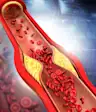
Small LDL is a big part of the explanation why some people with an LDL of cholesterol of, say, 130 mg/dl will have heart disease, while others with the same 130 mg/dl of LDL willnot. When present, small LDL particles are much more likely to trigger atherosclerotic plaque formation. Estimates vary, but small LDL is estimated to increaseheart attack riskat least three-fold.
How do you know if you have small LDL particles? There are several tell-tale signs: On a standard cholesterol panel, low HDL cholesterol (<40 mg/dl in men, <50 mg/dl in women) andhigh triglycerides(>100 mg/dl in men and women) can signal probable small LDL. (Small LDL can be present even when HDL and triglycerides are not in these ranges, though less commonly.) Excess abdominal weight and a diet over-dependent on processed carbohydrates, a frighteningly common situation, also provide clues. Unfortunately, the reality is that small LDL can occur even in the absence of any of these "red flags." Best of all, your doctor can specifically check for small LDL through "lipoprotein testing." You doctor can order this test, but must specify "lipoprotein testing" by one of three standard methods (see below).
While the world obsesses about cholesterol, the much more common culprit causing heart disease goes largely ignored in most medical offices, gains no media time since there's no treatment that is hugely profitable (though there are ways to dramatically correct the pattern-a topic for a future post), and continues to brew an epidemic of heart disease that is sure to grow unless we all begin to recognize it.
Three laboratory services provide lipoprotein testing in the U.S.: www.liposcience.com (NMR); www.berkeleyheartlab.com (electropheresis or GGE); www.atherotech.com (ultracentrifugation). Your doctor should be able to order these tests. However, be aware that not all physicians are even aware of this new method of assessing risk for heart disease, in which case you might consider asking to find out what physicians in your area provide these more sophisticated tests.
Related Information:
Drop Your Cholesterol Like a Stone-- Naturally
Lowering Cholesterol and the Difference Between HDL and LDL
Lowering Cholesterol with TLC: Therapeutic Lifestyle Changes